Investing in custom-made jewelry is exciting—it’s personal, often unique, and can hold both sentimental and financial value. But before you commit time and money, there are several important considerations to weigh. This guide walks you through everything shoppers commonly ask when searching for informational answers: budget, materials, design process, resale and insurance, ethical sourcing, and more. Read on for a clear, practical roadmap to make a confident, informed decision.
Why choose custom-made jewelry?
Custom jewelry lets you express personality, create one-of-a-kind pieces, and control materials and craftsmanship. It can be a meaningful heirloom, a signature style piece, or an investment. However, custom work differs from off-the-shelf purchases: timelines, costs, and risk factors change. Knowing what to expect reduces surprises and increases satisfaction.
Know your purpose and priorities
Start by asking why you want custom jewelry. Your answers shape every other choice.
- Sentimental value: If the piece is commemorative (wedding ring, family heirloom), prioritize craftsmanship and longevity.
- Wearability: For everyday pieces, durability and comfort matter more than elaborate ornamentation.
- Investment: If you expect financial appreciation, focus on high-quality gems and metals with resale appeal.
- Statement or fashion: If it’s a trend-driven piece, balance unique design with realistic expectations about long-term value.
Clarify your priority—beauty, durability, budget, or resale—and let it guide material and design choices.
Set a realistic budget
Budgeting for custom jewelry differs from buying ready-made items. Custom work includes design fees, materials, labor, and often taxes or shipping. Typical cost breakdown:
- Design and consultation: Some jewelers include basic sketches for free; detailed CAD models or revisions often cost extra.
- Materials: Precious metals and gemstones form the bulk of material expenses.
- Labor and manufacture: Handcrafting and finishing add significant cost, especially for detailed settings or engraving.
- Added services: Gem treatments, appraisals, hallmarking, resizing, and packaging can add fees.
Tips for budgeting:
- Start with a total budget, then ask the jeweler to allocate amounts for materials versus labor.
- Get written price estimates and what each revision costs.
- Ask about payment schedules: many custom pieces require deposits and staged payments.
- Leave a small contingency (5–10%) for unexpected changes.
Choose the right metal
The metal affects price, durability, weight, and maintenance. Common choices:
- Gold: Classic and versatile. Available in karats (10K, 14K, 18K) and colors (yellow, white, rose). Higher karat means more pure gold, softer metal, and higher cost.
- Platinum: Durable and hypoallergenic, but heavier and pricier than gold. Excellent for settings that need strength.
- Silver: Affordable but softer and prone to tarnishing; best for occasional wear or less expensive custom pieces.
- Alternative metals: Titanium, tungsten, and stainless steel offer durability and modern finishes, but may be harder to resize or repair.
Consider wear habits: Everyday rings benefit from harder metals (platinum, 14K+ gold). If you have metal sensitivities, choose hypoallergenic options like platinum or certain gold alloys.
Decide on gemstones: type and quality
Gemstone choice heavily influences aesthetics and value. Think about type (diamond, sapphire, emerald, etc.), origin (natural vs. lab-grown), treatments, and grading.
- Diamonds: Valued for durability. Grading depends on the 4 Cs—cut, color, clarity, and carat weight. Decide which Cs matter most to you; many buyers prioritize cut and color over slight clarity differences.
- Colored gemstones: Sapphires, rubies, emeralds, and other stones vary in rarity and care needs. Some are softer or more brittle than diamonds and require protective settings.
- Lab-grown vs. natural: Lab-grown gems are typically less expensive and visually similar. Natural stones often carry higher resale appeal and may fit buyers seeking rarity.
- Treatments: Heat treatment, fracture filling, or dyeing alter appearance and value. Ask for full disclosure and documentation.
- Certification: For high-value stones, insist on independent lab reports (GIA, AGS, IGI) that verify characteristics and authenticity.
Ask the jeweler about sourcing and traceability, especially for high-value gems. Ethically sourced and conflict-free stones are increasingly important for consumer trust and long-term value.
Design process: how custom pieces are made
Understanding the process reduces surprises and helps you communicate preferences.
- Consultation: Initial meeting to discuss ideas, budget, and timelines.
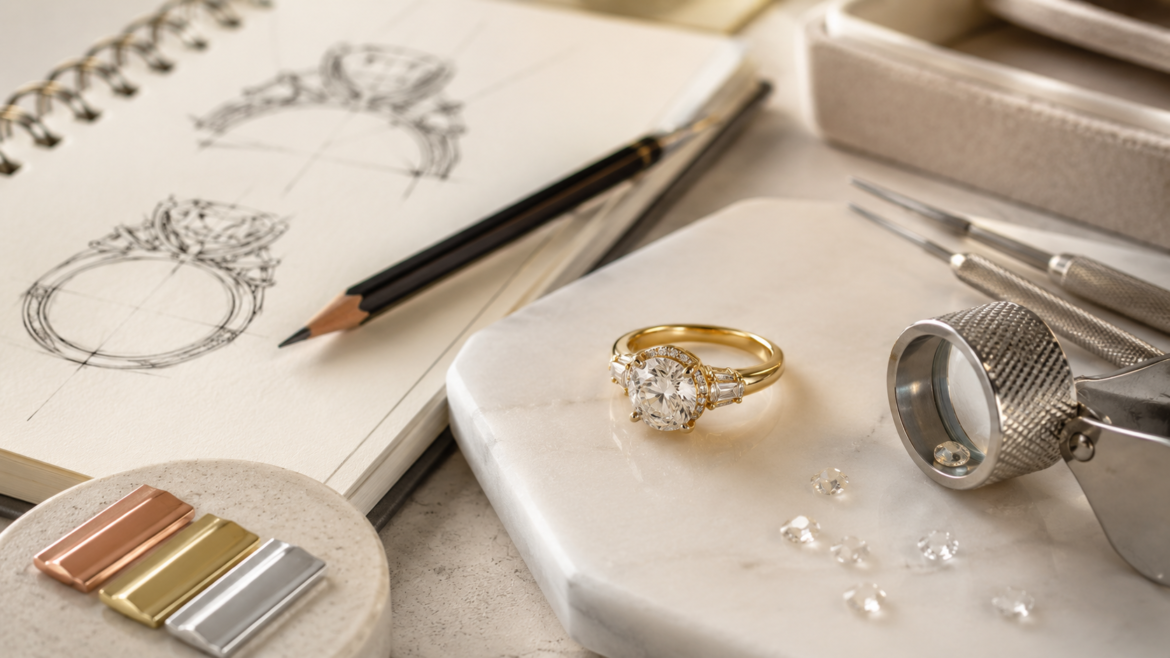
- Sketches and CAD: Jewelers often present hand sketches or CAD renderings. CAD lets you see 3D views and request precise changes.
- Model and approval: Wax or resin models can show scale and fit. Approve before manufacturing.
- Casting and setting: Metal is cast and stones are set by hand or machines depending on complexity.
- Finishing and polishing: Final touches include polishing, engraving, and quality checks.
- Delivery and inspection: Inspect the finished piece for fit, stone security, and finish quality.
Important tips:
- Request a timeline with milestones and revision limits.
- Clarify how many design revisions are included and the cost of extra changes.
- Ask whether the jeweler keeps your original design files and if you can request copies.
- Confirm who owns design rights—some jewelers reserve rights to reproduce the design unless otherwise agreed.
Working with the right jeweler
Selecting a trustworthy jeweler is critical to satisfaction and protection.
- Experience and specialization: Look for jewelers experienced in custom work similar to your project (e.g., engagement rings, men’s jewelry, gemstone settings).
- Portfolio: Review past custom pieces to assess taste, finish quality, and attention to detail.
- Reviews and references: Read independent reviews and ask for references. Local recommendations and social proof help.
- Certifications and memberships: Industry certifications (GIA-trained gemologists, bench certifications) and associations (Jewelers of America) add credibility.
- Communication: Choose someone responsive who explains trade terms in plain language and documents agreements.
- Contracts: Use a written contract specifying scope, materials, timeline, costs, warranties, and dispute resolution.
Protecting your purchase: appraisals and insurance
Custom pieces often have higher sentimental or monetary value. Protect them properly.
- Appraisal: Hire an independent appraiser for insurance valuation, not the jeweler who made the piece. Appraisals should include detailed descriptions, photos, and replacement value.
- Insurance: Add jewelry to homeowner’s or renter’s insurance (scheduled item) or purchase a separate jewelry policy. Review deductibles and coverage limits.
- Warranty and maintenance: Understand workmanship warranties and routine maintenance services (cleaning, prong checks, re-tipping). Ask about repair policies and costs.
- Documentation: Keep receipts, contracts, certifications, and appraisal documents in a safe place. Consider digital backups.
Resale and liquidity: realistic expectations
Many buyers hope custom pieces appreciate. Reality checks help manage expectations.
- Emotional vs. market value: Custom designs often hold high emotional value but may be harder to resell at a premium because taste is subjective.
- Material value: Precious metals and high-quality gemstones retain intrinsic value, but resale prices depend on market demand and condition.
- Brand and provenance: Pieces from renowned designers or with historical significance can command higher resale prices.
- Market channels: Selling options include auction houses, resale jewelry stores, online marketplaces, or private buyers. Fees and timelines vary.
- Enhancing resale: Use well-known gemstones with certifications, classic designs, and quality craftsmanship to maintain broader appeal.
Ethical and environmental considerations
Increasingly, buyers ask about the social and environmental footprint of jewelry.
- Conflict-free sourcing: Ask for documentation that diamonds and gemstones are conflict-free. Certification programs and supply chain transparency matter.
- Responsible mining vs. alternatives: Recycled metals and lab-grown gems reduce environmental impact. Some jewelers specialize in sustainably sourced materials.
- Fair labor practices: Seek jewelers who disclose working conditions and partner with fair-labor-certified suppliers.
- Transparency: Request written statements about material origins, treatments, and any third-party certifications.
Practical considerations: fit, comfort, and daily life
A beautiful piece must fit your lifestyle.
- Comfort and fit: Schedule sizing sessions and try prototypes or models. Consider width, weight, and how the piece interacts with clothing and other jewelry.
- Durability for activities: If you work with your hands, choose protective settings (bezel vs. prong), lower-carat gold, or tougher alloys.
- Maintenance needs: Some stones (pearls, opals) need special care and are unsuitable for everyday wear.
- Allergies and sensitivities: Confirm metal alloys and platings to avoid allergic reactions.
Negotiation and pricing strategies
While custom work has fixed costs, there’s still room to make smart financial choices.
- Breakdown costs: Ask for a clear breakdown (materials, labor, design). This helps you negotiate or reallocate budget.
- Alternative materials: Suggest lab-grown gems, recycled metals, or different alloys to reduce costs without sacrificing aesthetics.
- Staged upgrades: Consider making a piece ready for future upgrades—e.g., a setting designed to accept a larger center stone later.
- Multiple quotes: Get quotes from several reputable jewelers rather than choosing the cheapest option.
Legal and contractual details
Protect yourself with clear terms.
- Written contract: Include scope, materials with specifications, timeline, costs, payment schedule, revision limits, warranty, and what happens if delivery is late.
- Ownership and rights: Clarify whether you or the jeweler retains design rights and how photos or reproductions may be used.
- Returns and cancellations: Understand cancellation policies and whether deposits are refundable.
- Dispute resolution: Establish how disputes will be resolved—mediation, arbitration, or court jurisdiction.
Timeline expectations
Custom pieces take time. Typical schedules vary by complexity and season.
- Simple commissions: 2–6 weeks.
- Complex or bespoke designs: 6–12+ weeks.
- High-demand periods (holidays, wedding season): add several weeks.
Plan ahead for important dates and order early. Late orders often mean rushed work or higher rush fees.
Quality checks before final acceptance
Before leaving with your piece, perform checks.
- Inspect for finish: Look for consistent polish, symmetry, and clean settings.
- Stone security: Wiggle test (gently) and visual inspection to ensure stones are set firmly.
- Measurements: Verify ring size, chain length, and weight against the contract.
- Documentation: Receive receipts, warranties, certifications, cleaning instructions, and any lab reports.
Care and long-term maintenance
A maintenance plan keeps the piece looking great and holding value.
- Regular inspections: Have prongs and settings checked every 6–12 months.
- Cleaning: Follow jeweler’s guidance—ultrasonic cleaning for many gems, but not for delicate stones (pearls, opals).
- Storage: Store pieces separately to avoid scratching; use soft pouches or lined boxes.
- Resizing and repairs: Understand estimated costs and whether the metal allows resizing.
Common mistakes and how to avoid them
Avoid these pitfalls to protect your investment.
- Skipping documentation: Always get written contracts, receipts, and certifications.
- Neglecting appraisals: Don’t rely on the jeweler’s value alone for insurance.
- Choosing purely on price: Extremely low bids may indicate inferior materials or workmanship.
- Ignoring lifestyle fit: Buying delicate stones for daily wear leads to damage.
- Not verifying gemstone origin or treatment: Always ask for disclosures and lab reports when applicable.
Quick checklist before committing
Use this checklist to ensure nothing important is overlooked:
- Purpose and priorities defined.
- Total budget and payment schedule set.
- Metal and gemstone types chosen and verified.
- Design process, timeline, and revision policy agreed in writing.
- Jeweler vetted (portfolio, reviews, certifications).
- Contract signed with clear terms.
- Independent appraisal arranged for insurance.
- Maintenance and warranty details confirmed.
- Ethical sourcing or recycled materials requested if important.
- Delivery and inspection plan in place.
Rewarding When Planned
Custom-made jewelry can be deeply rewarding when planned carefully. By clarifying purpose, setting a realistic budget, choosing appropriate materials, vetting the jeweler, and documenting everything, you increase the chances that your piece will delight you for years and protect your investment. Keep practicality and long-term care in mind alongside beauty, and you’ll end up with a meaningful piece that fits both your style and life.