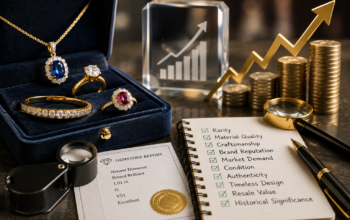
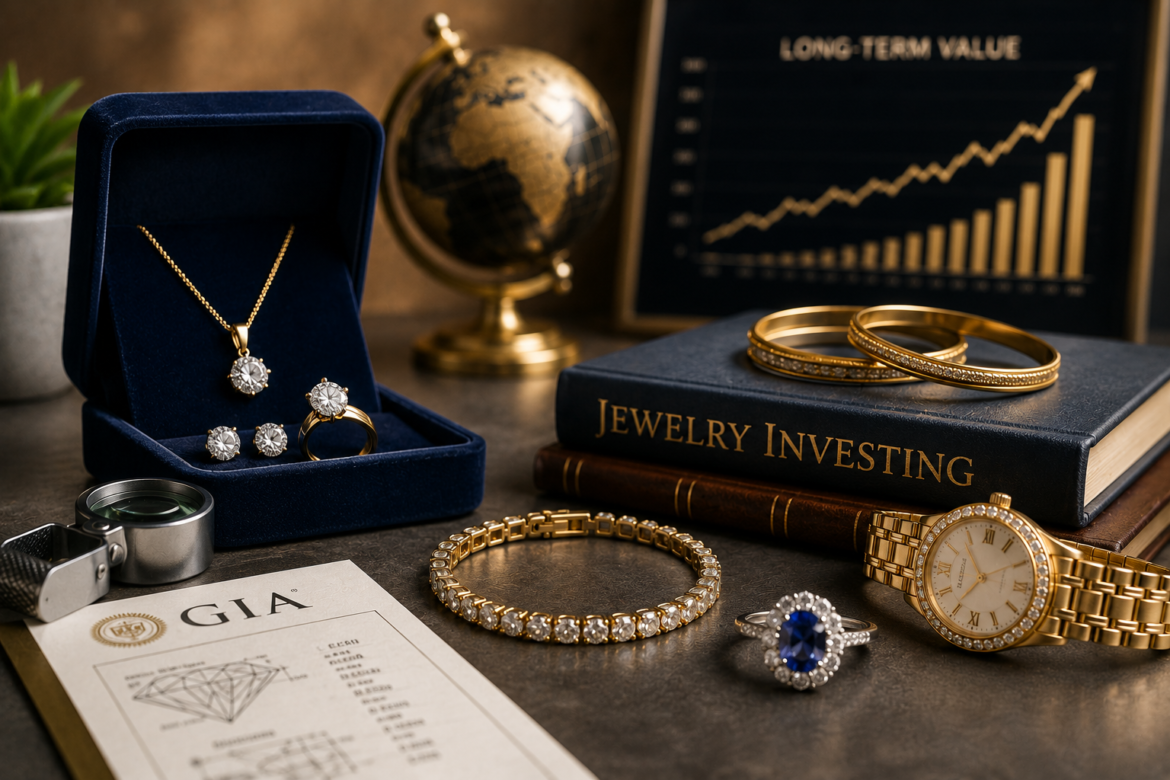
Investing in jewelry can be rewarding—both emotionally and financially—when you know what to look for. Unlike stocks or bonds, jewelry combines craft, rarity, and aesthetics, which means value depends on material quality, market trends, provenance, and condition. Below are clear, practical strategies and tips to help you invest successfully in jewelry while minimizing risk and maximizing long-term potential.
Why jewelry can be an investment
- Tangible asset: Jewelry is physical and portable, giving a sense of security compared with purely paper assets.
- Intrinsic value: Precious metals (gold, platinum) and gemstones (diamonds, rubies, sapphires) have intrinsic value recognized worldwide.
- Diversification: Jewelry can diversify an investment portfolio, acting as a hedge against inflation and currency fluctuations.
- Emotional and aesthetic value: Unlike many investments, jewelry can be enjoyed personally and passed down as heirlooms.
Know your investment goals
- Capital appreciation: If you want price growth, focus on rare gemstones, high-carat gold or designer pieces with strong resale demand.
- Preservation of wealth: Choose high-purity precious metals (24K gold, platinum) and classic, well-kept pieces.
- Income or flipping: For short-term profit, buy undervalued pieces to resell after refurbishment—requires strong market knowledge.
- Collector value: If you collect (brand, era, or designer), you may prioritize rarity and provenance over immediate liquidity.
Understand the market fundamentals
- Supply and demand: Limited supply and increasing demand (especially for certain gemstones or vintage designer pieces) raise value.
- Economic cycles: Jewelry often holds value during inflationary periods but can be more illiquid in downturns.
- Fashion vs. classic: Trendy pieces may rise quickly but fall out of favor; classic styles keep steady demand.
- Global markets: Prices and demand differ by region—what’s popular in one country may be less sought elsewhere.
Focus on high-quality materials
- Precious metals: Prefer higher-purity metals for investment—24K gold (or 22K where 24K not viable), 18K for mixed durability and value, and platinum for rarity and durability.
- Gemstone quality: For gemstones, prioritize the 4 Cs for diamonds (cut, color, clarity, carat) and equivalent quality standards for colored stones (color saturation, clarity, cut, carat).
- Authenticity matters: Always verify metal stamps (e.g., 925 for sterling silver, 750 for 18K gold) and gemstone treatment disclosures.
Buy classic, timeless pieces
- Timeless designs: Solitaires, simple gold chains, plain bangles, and classic hoop earrings maintain demand.
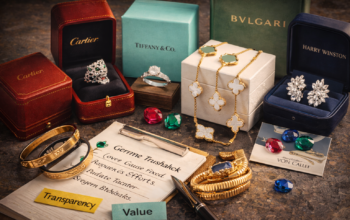
- Brand recognition: Renowned brands (e.g., Cartier, Tiffany, Van Cleef & Arpels) often have stronger resale value and collector interest.
- Versatility: Pieces that are wearable in multiple settings sell better on resale markets.
Prioritize certification and documentation
- Gemstone certificates: Insist on independent lab reports (GIA, AGS, AGL) for diamonds and important colored stones.
- Appraisals and receipts: Keep purchase invoices, insurance appraisals, and any restoration records. Documentation increases buyer confidence and resale price.
- Provenance for vintage or rare items: A documented history, original box, or receipts from original purchase add value.
Learn to assess quality and condition
- Inspect settings: Loose or worn settings reduce value and risk stone loss—factor repair costs into your buying decision.
- Polishing vs. over-restoration: Light polishing is fine; over-restoration can remove metal and diminish value for antiques.
- Wear and damage: Scratches, missing stones, or significant repairs lower resale potential. Prefer pieces in excellent or very good condition.
Understand gemstone specifics
- Diamonds: For investment-grade diamonds, favor high cut quality (ideal or excellent), near-colorless (D–G), high clarity (VS1+ or better), and well-proportioned carat sizes that meet market demand.
- Colored gemstones: Look for untreated or minimally treated stones with strong color saturation—rubies, emeralds, and sapphires command strong interest, especially when untreated and of high clarity.
- Rarity premium: Certain stones (e.g., Burmese rubies, Kashmir sapphires, Paraíba tourmaline) carry rarity premiums that can appreciate noticeably.
Buy with resale in mind
- Liquidity: Think about how easy it will be to resell the piece—classic designs and standardized diamonds tend to be more liquid.
- Market recognition: Pieces from well-known designers or with certification sell faster.
- Avoid hyper-personal pieces: Extremely personalized designs may be harder to find buyers for.
Diversify within jewelry investing
- Mix types: Hold a combination of precious metals, high-quality diamonds, select colored gemstones, and a few designer or vintage pieces.
- Spread risk: Don’t put all capital into a single stone or designer—spread across different assets to reduce risk of a single devaluation.
Buy for long-term horizons
- Patience pays: Jewelry often appreciates over years or decades rather than months.
- Avoid speculative flipping unless you’re experienced and have reliable buyers or auction channels.
Work with reputable dealers and auction houses
- Trusted sellers: Buy from respected jewelers, certified dealers, or reputable auction houses with clear return and authenticity policies.
- Check credentials: Verify dealer memberships, certifications, and customer reviews.
- Auction strategy: Auctions can yield great buys but include buyer’s premiums and variable results; research similar lots and set strict maximum bids.
Know pricing and premiums
- Retail vs. wholesale: Retail prices include markups—expect lower resale unless the piece is rare or designer.
- Replacement cost vs. market value: Insurance appraisals often use replacement cost, which may not match resale market value.
- Understand premiums: Brand, provenance, certification, and condition add premiums; treatments or repairs subtract value.
Watch for treatments and enhancements
- Common treatments: Heat treatment (color enhancement), fracture filling (emeralds), clarity enhancements, and diffusion treatments affect value.
- Disclosure: Sellers must disclose treatments; untreated stones generally hold higher investment value.
- Independent testing: Lab reports can identify treatments; insist on them for high-value stones.
Insurance and secure storage
- Insure for full replacement value: Use a specialized jewelry insurer or add a scheduled item on homeowner’s policy.
- Secure storage: For high-value items, use a bank safe deposit or insured secure storage; home safes should be fireproof and bolted down.
- Regularly update appraisals: Market values change—update appraisals every 3–5 years or after significant market moves.
Tax, legal, and ethical considerations
- Taxes: Capital gains taxes apply in many jurisdictions; track purchase prices and sales receipts for accurate tax reporting.
- Import/export rules: Cross-border sales may involve customs duties or restrictions on certain stones (e.g., conflict minerals).
- Ethical sourcing: Prioritize responsibly sourced materials—conflict-free diamonds and traceable gemstones are increasingly valued by buyers.
Refurbishment and maintenance strategy
- Cost-effective repairs: Minor repairs and professional cleaning can improve resale value; major alterations (changing settings, resizing) can diminish provenance and value.
- Keep original components: When resizing or repolishing, preserve replaced parts, original boxes, and certificates.
- Routine care: Regular inspections by a jeweler help prevent losses (loose prongs, worn shanks).
Evaluate market timing and indicators
- Precious metals trends: Watch gold and platinum prices as they affect metal-based piece values.
- Gemstone market reports: Follow auction results and trade reports for price signals on rare stones and designer pieces.
- Collector demand: Monitor interest in particular designers, eras (Art Deco, Retro), and stone origins (e.g., Burmese ruby demand).
Learn negotiation and valuation skills
- Know replacement costs and resale prices: Research recent comparable sales—auction results, resale platforms, and dealer inventories.
- Walk away power: Don’t overpay due to emotion. Have a clear price ceiling based on research.
- Bundle purchases: Buying multiple pieces from a seller can give you negotiating leverage.
Use the right sales channels
- Auction houses: Best for rare, high-value, or collectible pieces with provable provenance.
- Dealers and consignment: Good for steady sales, though commissions apply.
- Online marketplaces: Offer reach but require strong photos, certifications, and careful buyer vetting.
- Private sales/networking: Effective for designer pieces and collectors—relationships matter.
Keep emotions in check
- Avoid impulse buys: Jewelry is beautiful; don’t confuse desire with sound investment.
- Second opinions: For high-ticket items, get independent appraisals before purchase.
Practical checklist before buying
- Verify metal purity and gemstone authenticity.
- Obtain or confirm independent certification for valuable stones.
- Check condition, repairs, and any treatments.
- Ask for full documentation, receipts, and provenance.
- Research comparable sales and market trends.
- Decide on storage and insurance plans.
- Confirm return policy or resale options.
Simple example strategy for a new investor
- Start small: Buy 18K gold classic pieces (chain, hoops) and one certified diamond under 1 carat to learn the resale process.
- Learn from sales: Resell one piece after 12–24 months to understand market behavior and fees.
- Gradually diversify: Add a certified colored gemstone and a designer piece once comfortable with valuation and authentication.
Final tips—practical and actionable
- Focus on education: Learn to read certificates and compare grading reports.
- Build trusted contacts: Cultivate relationships with reputable appraisers, gemologists, and dealers.
- Keep records: Maintain a digital and physical file of certificates, receipts, and appraisals.
- Stay patient: Jewelry investing rewards careful selection, documentation, and long-term thinking.
If you follow these strategies—prioritizing certification, classic design, reputable sellers, and proper storage/insurance—you’ll significantly improve your chances of making successful jewelry investments while reducing common pitfalls.