Hey there, jewelry lover! Ever caught yourself staring at a shiny diamond ring or gold necklace, wondering if there’s a smarter way to sparkle without breaking the bank? If you’re thinking about investing in jewelry—not just for fun, but as something that holds value over time—you might be eyeing alternative materials like titanium or ceramic. These aren’t your grandma’s pearls; they’re tough, modern options that promise durability and style without the hefty gold price tag.
But is it really advisable to invest in them? Short answer: It depends on what “investing” means to you. If you’re chasing quick profits like with gold or platinum, probably not. But if you want long-lasting pieces that look great, cost less upfront, and resist everyday wear, titanium and ceramic could be smart picks. Let’s dive in with a light-hearted look at the pros, cons, and real talk to help you decide. We’ll cover what these materials are, how they stack up as investments, and tips to buy wisely.
What Makes Titanium and Ceramic Jewelry Tick?
First things first: Let’s break down these alternative stars. Traditional jewelry investments lean on precious metals like gold, silver, or platinum because they hold or increase in value due to rarity and demand. Titanium and ceramic? They’re more about performance than preciousness.
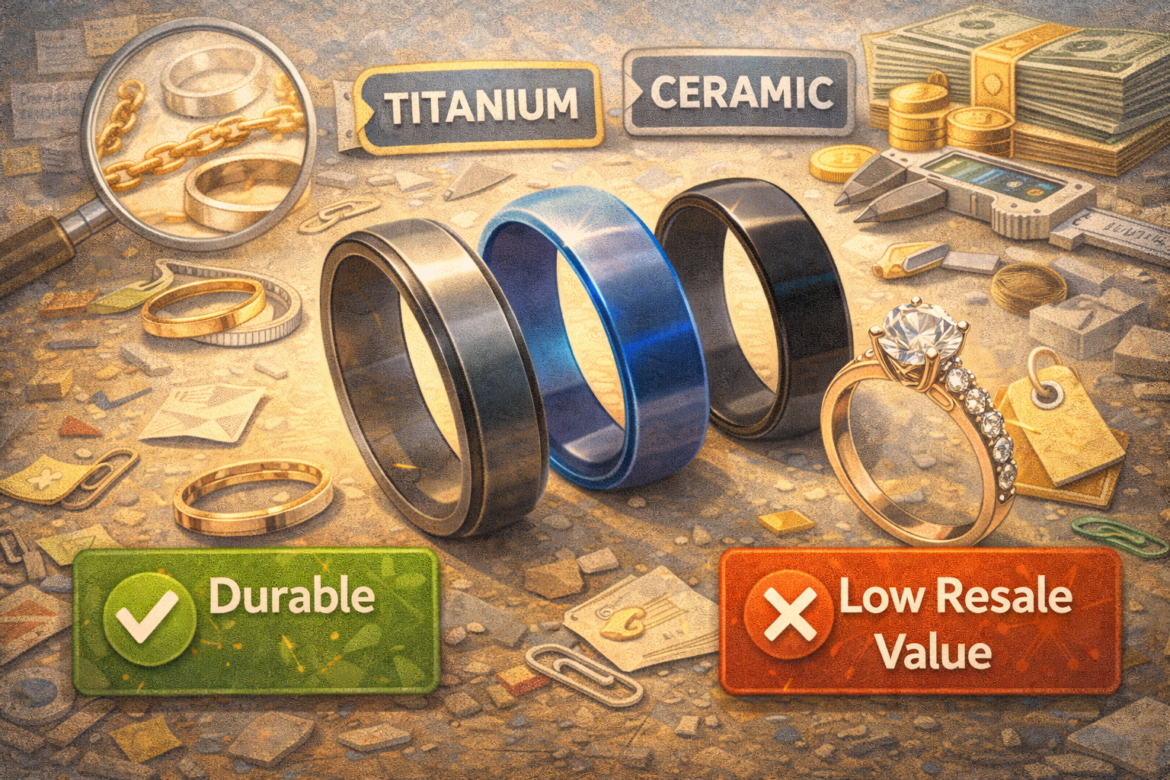
Titanium jewelry burst onto the scene in the 1990s, thanks to its aerospace roots—think fighter jets and space shuttles. It’s a super-strong metal that’s lightweight, hypoallergenic, and super resistant to scratches, corrosion, and tarnish. You can wear it swimming, hiking, or sweating at the gym without worry. Colors? It comes in natural gray, black, or anodized hues like blue and purple that won’t fade easily.
Ceramic jewelry, on the other hand, is basically high-tech pottery. Made from zirconium oxide or zirconia, it’s fired at insane temperatures to create a rock-hard material that’s feather-light and scratch-resistant. Picture sleek black wedding bands or elegant white earrings that gleam like porcelain but laugh off daily dings. It’s also hypoallergenic, making it a dream for sensitive skin.
Why consider them for investment? Unlike gold that fluctuates with markets, these materials shine in practicality. A titanium ring might cost $200–$500, while a similar gold one runs $1,000+. But does that savings make it an “investment”? Let’s weigh the scales.
Pros of Investing in Titanium and Ceramic Jewelry
Absolutely, there are some feel-good reasons to say yes to these alternatives. Here’s why they might deserve a spot in your jewelry box—and maybe even your portfolio.
Durability That Outlasts Trends
Gold scratches easily, silver tarnishes, and even platinum can dent. Titanium? It’s rated 6/10 on the Mohs hardness scale (diamond is 10), so it shrugs off keys in your pocket or beach sand. Ceramic hits 8.5–9, nearly as tough as sapphire. Real story: A buddy of mine wore his ceramic wedding band for five years through construction work—no chips. That’s investment value in longevity; you won’t replace it soon.
Affordability Without Sacrificing Style
Want that modern, matte-black look? Titanium and ceramic deliver without the bling tax. A custom titanium ring with inlays (like wood or gems) might set you back $300, versus $2,000+ for gold. Ceramics often mimic luxury with high-polish finishes. Plus, they’re customizable—engrave them, add gems, or mix metals. For fashion-forward folks, this means versatile pieces that match any outfit, boosting their “wear value.”
Health and Lifestyle Wins
Nickel allergies plague 10–20% of people, causing itchy rashes from cheap metals. Both titanium and ceramic are 99.9% pure and biocompatible—no reactions. They’re also lightweight (titanium is half gold’s weight), so no heavy lobes or fingers. Active lifestyles? Perfect. Divers, athletes, and medics swear by them. Investing here means buying peace of mind, not just sparkle.
Low Maintenance Magic
No polishing cloths needed! Titanium resists water and sweat; ceramic laughs at soaps and lotions. Compare to gold, which needs professional cleaning yearly. Over time, this saves money—think $50–100 annually on upkeep. Environmentally, they’re greener too: Titanium recycles easily, and ceramic production uses fewer rare earths than mining gold.
In numbers: A 2023 jewelry market report showed alternative material sales up 25%, driven by millennials ditching gold for durable daily wear. If your “investment” is in pieces you’ll actually use for decades, these win big.
Cons and Risks
Okay, light-hearted honesty time: These aren’t flawless unicorns. Here’s where they fall short as traditional investments.
Limited Resale Value
Gold’s price per ounce tracks global markets—buy low, sell high if needed. Titanium? It’s abundant and industrially produced, so no scarcity premium. Resale might fetch 20–50% of retail, mostly from enthusiasts. Ceramic fares similar; it’s not traded on exchanges. A $400 titanium band might resell for $100–200 on eBay. If flipping for profit is your goal, stick to precious metals.
Aesthetic Trade-Offs
They look sleek and modern, but lack gold’s warm glow or platinum’s luster. Titanium can feel “industrial” if not finished well, and ceramic might chip if dropped hard (though rare). Colors on anodized titanium fade over 10–20 years with UV exposure. Not ideal for heirloom pieces passed down generations—your kids might prefer grandma’s gold locket.
Sizing and Repair Hurdles
Titanium can’t be resized like gold (it’s too strong); you need a new ring. Ceramic is brittle for resizing—often irreparable if cracked. Repairs cost $50–150 and require specialists, not your local jeweler. One bad drop, and your “investment” needs replacing.
Market data backs this: Precious metals averaged 5–8% annual returns last decade; alternatives hover at 0–2% resale growth, per jewelers like James Allen.
Comparing to Traditional Investments
| Feature | Gold/Platinum | Titanium | Ceramic |
|---|---|---|---|
| Upfront Cost | High ($1k+) | Low ($200–$500) | Low ($150–$400) |
| Durability | Medium | High | Very High |
| Resale Value | Excellent | Fair | Poor |
| Maintenance | High | Low | Low |
| Allergy Risk | Medium | None | None |
| Style Lifespan | Timeless | Modern (10+ yrs) | Modern (15+ yrs) |
Gold wins for wealth preservation, but alternatives crush daily wear. Hybrid pieces—like titanium with gold accents—bridge the gap.
Who Should Invest and How to Buy Smart?
Not for stock market speculators, but yes for practical buyers! Ideal for:
- Wedding Bands: 40% of grooms now pick titanium/ceramic for affordability and toughness.
- Everyday Stackers: Layer with gold for mix-and-match value.
- Gift-Givers: Unique, budget-friendly options under $300.
Tips to make it advisable:
- Buy from reputable brands like Benchmark, Elysium, or Qalo—lifetime warranties included.
- Check certifications: Grade 23 titanium (strongest), Grade 5 ceramic (scratch-proof).
- Add value: Gem inlays or engravings boost appeal without hiking cost much.
- Test fit: Order samples; comfort is king.
- Research trends: Black ceramic is hot now; titanium with meteorite inlays is niche-cool.
Real-world example: A couple I know invested $800 in matching titanium sets instead of $5,000 gold. Eight years later, they’re pristine and they’ve saved on repairs—net win.
Your Sparkle Strategy
So, is it advisable? If investing means durable, stylish jewelry that fits your life without fuss or fortune, heck yes—titanium and ceramic are savvy choices. They’re not get-rich-quick schemes, but they deliver joy, savings, and staying power that precious metals can’t match for daily dazzle.
Prioritize your needs: Profit hunter? Go gold. Lifestyle legend? Grab alternatives. Whichever you choose, wear it with a grin—jewelry’s best when it makes you happy.
Ready to shop? Check sites like TitaniumJoe or CeramicRings.com for deals. What’s your next sparkle move?