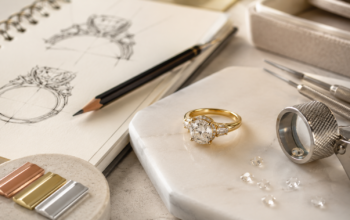
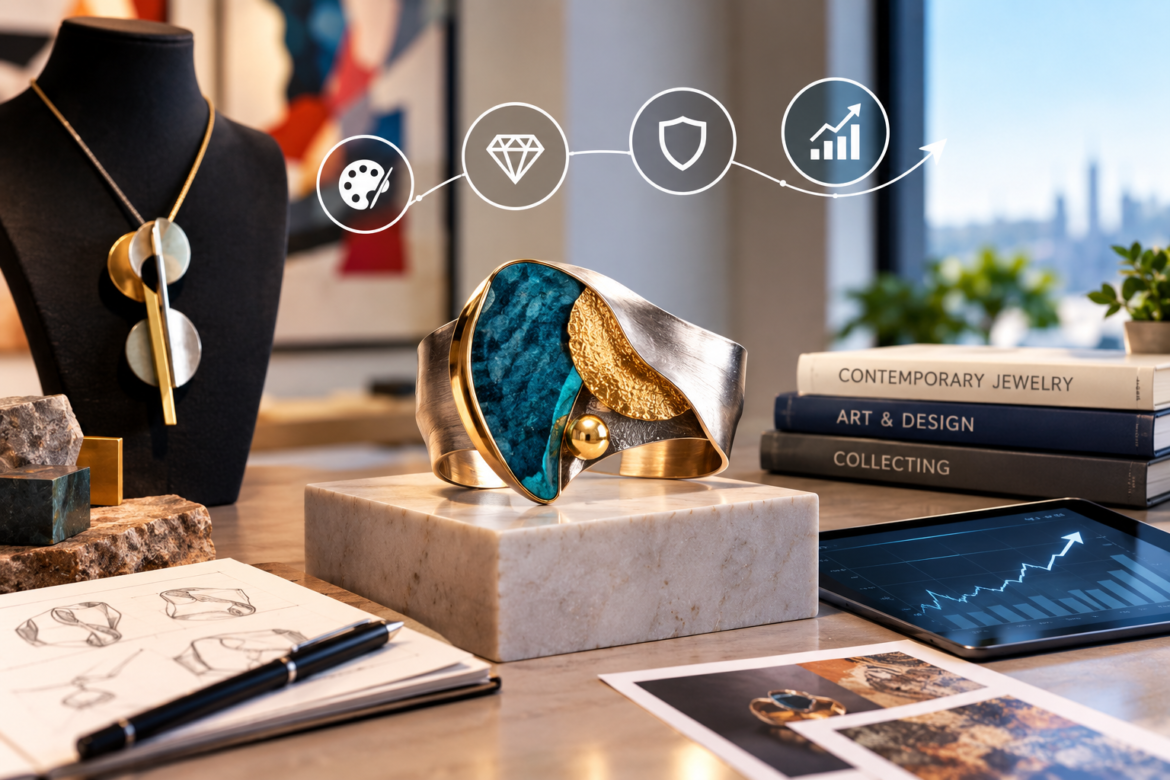
Contemporary art jewelry sits at an exciting meeting point between wearable design, sculpture, craftsmanship, and personal expression. Unlike conventional jewelry, which is often valued mainly for its precious metals or gemstones, art jewelry is also judged by its concept, originality, materials, artistic importance, and connection to the designer who created it.
So, what are the long-term prospects for investing in contemporary art jewelry? The answer is promising, but it is not guaranteed. Exceptional pieces by respected artists may become more desirable over time, especially when they are rare, well documented, and recognized by galleries, museums, collectors, and auction houses. However, art jewelry is also a specialized and less liquid market. Buyers must look beyond appearance and carefully examine authenticity, condition, provenance, demand, and resale possibilities.
For collectors who enjoy owning meaningful objects and are willing to take a long-term view, contemporary art jewelry can offer both cultural and financial value.
Understanding Contemporary Art Jewelry
Contemporary art jewelry is jewelry created primarily as an artistic statement rather than as a traditional fashion accessory. It may be designed to be worn, displayed, or both. Some pieces look like rings, necklaces, bracelets, or brooches, while others resemble small sculptures.
Artists in this field often use unusual materials, including:
- Recycled metals.
- Wood, resin, glass, ceramics, and textiles.
- Found objects and industrial materials.
- Plastics, paper, rubber, and experimental composites.
- Precious stones combined with unexpected or unconventional elements.
The purpose is not always to create something traditionally beautiful. A piece may explore identity, nature, politics, technology, memory, sustainability, or social change. Some works are deliberately dramatic, playful, minimal, or even challenging.
This difference is important for investors. The value of contemporary art jewelry does not depend only on the price of gold, silver, diamonds, or other materials. A piece made from inexpensive materials can be more valuable than a gold piece if it has stronger artistic importance, rarity, historical relevance, and collector demand.
In simple terms, contemporary art jewelry is valued as an artwork that happens to be wearable.
Why Collectors Are Paying Attention
Interest in contemporary art jewelry has grown as collectors search for alternatives to traditional paintings, sculpture, watches, and luxury jewelry. These pieces are often more accessible in size and price, making them attractive to new collectors.
A painting may require a large wall, special lighting, and careful handling. Art jewelry can be stored in a small space, displayed in a cabinet, or worn on special occasions. This combination of practicality and artistic value gives it a distinctive appeal.
Another reason for growing interest is the desire for individuality. Many buyers are moving away from mass-produced luxury products and looking for objects with a story. A handmade necklace created by a known artist may feel more personal and meaningful than a standardized piece produced for a global market.
The contemporary art jewelry market also benefits from the increasing overlap between different collecting categories. Jewelry, fashion, design, sculpture, and contemporary art are no longer completely separate. A collector may discover an artist through a museum exhibition, a design fair, an art gallery, or a fashion event.
This broader visibility can help talented jewelry artists reach new audiences. When an artist’s work enters important exhibitions, institutional collections, or respected galleries, the long-term potential of the work may improve.
The Long-Term Investment Potential
The long-term prospects for investing in contemporary art jewelry are strongest when the buyer selects pieces with artistic significance and established or developing demand. Not every attractive piece will appreciate. In fact, many works may remain stable in value or become difficult to resell.
The best-performing pieces are more likely to share several characteristics:
- They were created by an artist with a strong and recognizable body of work.
- The artist has been exhibited by respected galleries, museums, or institutions.
- The piece is rare, limited, or part of a small edition.
- It has excellent documentation and a clear ownership history.
- Its condition is well preserved.
- It represents an important moment in the artist’s career.
- Collectors and specialists already recognize its quality.
- The work has a distinctive concept, technique, or visual language.
A major advantage of buying early is the possibility of discovering an artist before prices rise. Emerging artists may offer more affordable entry points than established names. If their careers develop successfully, early works may gain attention.
However, this strategy requires research and patience. Many emerging artists do not achieve lasting recognition. Artistic careers can change, galleries can close, and collector preferences can shift. Buying emerging art jewelry should therefore be approached as a combination of personal enjoyment and carefully considered speculation.
Artist Reputation Matters
The creator’s reputation is one of the most important factors affecting the future value of contemporary art jewelry.
An artist does not need to be famous worldwide to have a strong market. A respected specialist with a loyal collector base can produce valuable work within a smaller but active field. Over time, reputation may grow through:
- Museum exhibitions.
- Inclusion in public or private collections.
- Coverage in respected publications.
- Awards and professional recognition.
- Representation by established galleries.
- Participation in major art and design fairs.
- Scholarly writing and catalog publications.
- Collaborations with respected institutions or brands.
Collectors should study the artist’s career rather than relying only on promotional claims. Look at where the work has been exhibited, who represents the artist, whether museums have acquired the pieces, and whether previous works have appeared in reputable auctions.
It is also useful to examine whether the artist has developed a consistent artistic identity. A recognizable style can help collectors identify the work and may make it more desirable in the future.
Still, reputation can be unpredictable. An artist who receives attention today may not remain popular forever. That is why buyers should avoid purchasing solely because a piece is described as “the next big thing.”
Rarity and Limited Editions
Rarity can support long-term value, but rarity alone does not make a piece desirable. A poorly documented object that nobody wants may be rare but still have little market value.
In contemporary art jewelry, scarcity may come from several sources:
- A one-of-a-kind artwork.
- A very small edition.
- A discontinued series.
- A technically difficult or time-consuming production process.
- The limited availability of a particular material.
- A work from an important early period.
- A piece created for a notable exhibition or commission.
One-of-a-kind pieces often attract collectors because they offer uniqueness. Limited editions can also be desirable when the artist controls production carefully and maintains consistent quality.
Before buying an editioned work, confirm the edition size and the number of pieces produced. Ask whether the edition is numbered and signed, whether an artist’s proof exists, and whether the work comes with a certificate of authenticity.
A small edition by an established artist may be more investment-worthy than a large edition by an unknown creator. The relationship between scarcity and demand is what matters most.
Provenance and Documentation
Provenance is the documented history of an artwork’s ownership. It can help establish authenticity, legal ownership, and market credibility. In the art market, provenance may include original purchase receipts, gallery records, exhibition histories, certificates, photographs, and references in catalogs.
For contemporary art jewelry, useful documentation may include:
- A certificate of authenticity.
- The artist’s signature or maker’s mark.
- Original invoices and gallery receipts.
- Edition numbers.
- Exhibition catalogs.
- Previous ownership records.
- Photographs of the piece.
- Details about materials and dimensions.
- Conservation or repair records.
- Written information from the artist or studio.
Strong provenance can make a work easier to sell because future buyers have more confidence in what they are purchasing. It may also help distinguish an authentic piece from a reproduction or unauthorized copy.
However, provenance is not automatically proof of authenticity. Documents must be consistent, credible, and connected to the actual object. Buyers should compare signatures, dimensions, materials, edition details, and photographs.
A missing certificate does not always mean that a work is worthless, especially when it comes directly from the artist or a reputable gallery. Nevertheless, incomplete documentation can reduce buyer confidence and complicate resale.
Craftsmanship and Materials
The quality of construction matters greatly in contemporary art jewelry. A conceptually interesting piece may still lose value if it is poorly made, fragile, or difficult to maintain.
Collectors should inspect:
- The strength of joints and settings.
- The quality of the finish.
- Signs of damage or repair.
- The stability of unusual materials.
- The condition of clasps, hinges, and moving parts.
- The security of stones or attached components.
- Whether the piece can be safely worn or displayed.
- Whether the materials react to light, moisture, heat, or chemicals.
Material value is still relevant, even when it is not the main reason for buying the work. Gold, platinum, silver, gemstones, and other durable materials may provide a basic underlying value. But material value should not be confused with investment value.
For example, a contemporary necklace made from silver may sell for far more than the scrap value of the metal because of the artist’s reputation and the design’s importance. If the artist’s market declines, the piece may not retain its original price merely because it contains silver.
Unusual materials can make a piece memorable, but they may also create preservation challenges. Plastics can discolor, adhesives can weaken, textiles can deteriorate, and some organic materials can be affected by humidity or insects. Proper storage and professional advice are essential for delicate works.
The Importance of Market Recognition
Market recognition can be a useful indicator of long-term prospects. It shows that knowledgeable buyers, galleries, institutions, or auction houses have identified value in the artist’s work.
Recognition may appear through:
- Regular gallery exhibitions.
- Consistent collector demand.
- Museum acquisitions.
- Inclusion in established art fairs.
- Publications by respected experts.
- Auction activity.
- Rising prices across several works rather than one unusual sale.
One high auction result does not automatically prove that an artist’s market is strong. A single sale may have been influenced by exceptional provenance, celebrity ownership, unusual size, or intense bidding between two interested buyers.
Look for patterns over time. Are several works selling successfully? Are prices stable across different types of pieces? Does demand come from multiple regions and buyer groups?
A healthy market usually has more than one route to sale. An artist whose work can be sold through galleries, private collectors, fairs, and auctions may have stronger long-term support than one dependent on a single dealer.
Contemporary Art Jewelry as a Long-Term Holding
Contemporary art jewelry is generally better suited to a long-term holding period than to quick buying and selling. A collector may need to wait several years before a piece gains enough recognition to attract a higher price.
Long-term ownership gives the artist time to:
- Build a stronger reputation.
- Participate in important exhibitions.
- Enter museum collections.
- Develop a wider collector base.
- Produce important new work.
- Receive critical attention.
- Establish auction records.
The waiting period can be part of the appeal. Collectors have the opportunity to enjoy the artwork while following the artist’s career.
However, long-term holding does not guarantee profit. Values can remain unchanged, decline, or become difficult to establish. Contemporary art jewelry is not like a savings account or publicly traded investment. Prices are based on individual negotiations and changing market preferences.
There is also no single central marketplace that determines the value of every piece. Two similar works may sell for different prices depending on the seller, buyer, location, timing, condition, and quality of documentation.
Liquidity and Resale Challenges
Liquidity refers to how easily an asset can be sold for a fair price. Contemporary art jewelry usually has lower liquidity than publicly traded investments and may also be less liquid than popular luxury watches or mainstream diamond jewelry.
Selling a piece may take time because:
- The pool of interested buyers is specialized.
- The artist may not yet be widely known.
- Auction houses may accept only works that meet certain criteria.
- Galleries may prioritize their current program.
- Buyers may need time to verify authenticity and condition.
- Selling fees can reduce the amount received.
- The market may be weak when the owner wants to sell.
The original purchase price is also not the same as the resale price. A gallery price may include the artist’s share, gallery commission, marketing expenses, exhibition costs, and other overhead. When the owner sells later, those costs may not be recovered.
For this reason, buyers should avoid investing money they may need soon. Contemporary art jewelry is more appropriate for discretionary funds and long-term collecting goals.
Before purchasing, consider the potential exit route. Ask whether the piece could realistically be sold through the artist’s gallery, a specialist dealer, an auction house, or a private collector. If there is no clear answer, the financial risk is higher.
Costs Beyond the Purchase Price
The cost of owning contemporary art jewelry goes beyond the amount paid to acquire it. Owners may also need to budget for:
- Insurance.
- Secure storage.
- Display cases.
- Professional appraisal.
- Shipping and transport.
- Customs and taxes.
- Conservation and repair.
- Auction or dealer commissions.
- Photography and cataloging.
- Authentication and specialist consultation.
Insurance values should be reviewed periodically because market values can change. A general homeowner’s or renter’s policy may not provide sufficient protection for valuable art jewelry. Owners should carefully check coverage for theft, accidental damage, loss, travel, shipping, and mysterious disappearance.
Storage is equally important. Pieces should be kept away from excessive moisture, heat, direct sunlight, harsh chemicals, and careless handling. Some works should not be worn regularly because perspiration, cosmetics, or accidental impact may damage them.
These expenses do not necessarily improve the resale price, but they help preserve the object’s condition and protect the owner from avoidable losses.
Risks to Consider
Investing in contemporary art jewelry involves several risks.
Market Risk
Collector preferences can change. A style that seems innovative today may feel dated later. Artists may lose gallery representation or receive less critical attention.
Authenticity Risk
Copies, altered works, unauthorized editions, and inaccurate descriptions can create serious problems. Buyers should purchase from credible sources and seek expert help when necessary.
Condition Risk
Damage can reduce both aesthetic and financial value. Repairs may be difficult, especially when the artist is no longer available or the original materials are no longer produced.
Liquidity Risk
A piece may be valuable in theory but difficult to sell at the desired price. The market may contain few active buyers.
Concentration Risk
Putting too much money into one artist, one style, or one category increases exposure to changing tastes. A balanced collecting strategy is generally safer than relying on a single purchase.
Legal and Ownership Risk
Imported works may involve customs requirements, cultural property rules, or restrictions on certain materials. Buyers should retain clear records showing how ownership was transferred.
Understanding these risks does not eliminate them, but it can help collectors make more informed decisions.
How to Evaluate a Piece Before Buying
A simple evaluation process can reduce the chance of making an emotional or poorly researched purchase.
First, study the artist. Review exhibitions, gallery representation, awards, publications, institutional connections, and previous works. Look for a sustained career rather than a short burst of publicity.
Next, examine the specific piece. Confirm its title, date, materials, dimensions, edition details, signature, and condition. Ask whether it is an original work, an edition, or a later reproduction.
Then, review the documents. Make sure the certificate, invoice, and catalog information match the object. If the work has been exhibited or owned by a notable collector, verify those claims independently.
After that, compare the price with similar works. Look at other pieces by the same artist, considering size, materials, rarity, period, condition, and provenance. Avoid relying on an asking price alone because asking prices do not always reflect actual transactions.
Finally, think about why you want to buy it. If the investment value disappeared, would you still enjoy owning the piece? This question is useful because art markets can be unpredictable. Enjoyment can provide lasting value even when financial returns are uncertain.
Emerging Artists Versus Established Names
Buying from an established artist usually offers greater market information and a clearer record of demand. Prices may be higher, but the artist’s reputation, exhibition history, and resale activity can make the decision easier to evaluate.
Emerging artists may offer more growth potential at lower prices. Their work can be exciting and original, but the risks are greater because their future career is uncertain.
| Type of artist | Main advantage | Main risk |
|---|---|---|
| Established artist | Stronger reputation and clearer market history | Higher entry price and possibly lower growth potential |
| Mid-career artist | Balance between recognition and opportunity | Market performance may vary by series |
| Emerging artist | Lower entry price and possible career growth | Uncertain demand and resale market |
A practical approach is to combine personal interest with research. Buy emerging work because you believe in the artist’s vision, not only because you hope prices will rise.
The Role of Sustainability and Social Meaning
Sustainability may become increasingly important in the future of contemporary art jewelry. Many artists are exploring recycled materials, responsible sourcing, repair, reuse, and low-waste production.
Collectors are becoming more interested in how objects are made, where materials come from, and whether artists follow responsible practices. A piece with a compelling environmental or social story may connect with future audiences.
Still, sustainability claims should be verified. Buyers can ask about recycled content, gemstone sourcing, production methods, and studio practices. Clear information can strengthen a work’s story and improve collector confidence.
Social meaning may also support long-term relevance. Art jewelry that reflects important cultural or historical concerns may remain interesting beyond short-lived fashion trends. A strong concept can help a work continue to attract attention as tastes change.
What the Future May Look Like
The future of contemporary art jewelry is likely to be shaped by several overlapping developments.
More collectors may view jewelry as a serious art form rather than merely a luxury product. This could encourage museums, galleries, fairs, and auction houses to give the category greater visibility.
Digital platforms may also make it easier for artists to reach international buyers. Online exhibitions, virtual collections, digital archives, and social media can introduce emerging creators to audiences far beyond their local markets.
At the same time, online selling creates challenges. Buyers may not be able to inspect materials, scale, texture, or condition in person. Strong photography, transparent descriptions, and reliable documentation will become increasingly important.
The category may also benefit from continued interest in small-scale, design-led, and personally meaningful objects. As consumers seek alternatives to mass production, handmade and concept-driven jewelry may gain greater cultural value.
Despite these positive possibilities, the market will probably remain selective. A rising category does not mean that every artist or every piece will increase in value. Recognition will likely concentrate around artists with strong ideas, excellent craftsmanship, reliable documentation, and consistent professional support.
Is Contemporary Art Jewelry a Good Investment?
Contemporary art jewelry can be a good long-term investment for the right type of collector. It may offer financial appreciation, cultural value, personal enjoyment, and the opportunity to support living artists.
However, it should not be treated as a guaranteed source of profit. The market is specialized, prices can be subjective, and resale may take time. A successful purchase requires research, patience, proper documentation, and realistic expectations.
The strongest approach is to buy quality rather than hype. Focus on artists with genuine creative importance, works with excellent provenance, limited or unique pieces, strong craftsmanship, and prices that can be justified by comparable market evidence.
In the end, the best contemporary art jewelry investment is often a piece that works on two levels: it is enjoyable to own today and has qualities that may make it desirable to collectors tomorrow. When beauty, originality, documentation, and market recognition come together, contemporary art jewelry can have meaningful long-term prospects.