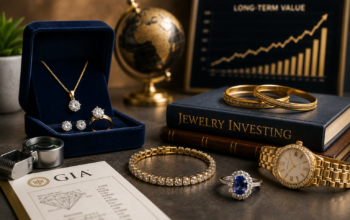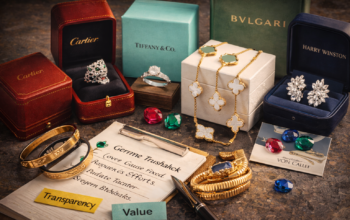

Jewelry has been a popular form of adornment for centuries, and its popularity has only increased over time. Jewelry is often seen as a symbol of luxury and wealth, and is often given as a gift for special occasions, such as weddings, anniversaries, and birthdays. With the increasing demand for jewelry, many people wonder if jewelry is in high demand. In this article, we will explore the demand for jewelry, and the factors that impact its popularity.
Economic Factors: The demand for jewelry is often influenced by economic factors, such as the overall health of the economy, consumer spending habits, and disposable income. During periods of economic growth and stability, consumers are more likely to spend money on luxury items, such as jewelry, leading to an increase in demand. On the other hand, during periods of economic uncertainty and recession, consumers are more likely to reduce their spending on luxury items, leading to a decrease in demand.
Cultural Trends: Cultural trends also play a role in the demand for jewelry. The popularity of certain types of jewelry, such as diamonds, gold, and silver, can be influenced by cultural and fashion trends. For example, the popularity of diamond engagement rings has increased in recent years, due to their perceived value and symbolism. Additionally, the popularity of alternative metal jewelry, such as titanium and stainless steel, has also increased, due to their durability and affordability.
Demographic Factors: Demographic factors, such as age, gender, and income, also play a role in the demand for jewelry. For example, older generations are more likely to purchase jewelry for special occasions, such as weddings and anniversaries, while younger generations are more likely to purchase jewelry for fashion and self-expression. Additionally, consumers with higher incomes are more likely to purchase luxury jewelry, while consumers with lower incomes are more likely to purchase lower-priced jewelry.
Another factor to consider is the accessibility of jewelry. The availability and accessibility of jewelry can impact its demand, as consumers are more likely to purchase items that are readily available and accessible. Online jewelry retailers and e-commerce platforms have made jewelry more accessible to consumers, and have increased the demand for jewelry, as consumers are able to purchase jewelry from the comfort of their own homes.
Additionally, the advertising and marketing of jewelry can also impact its demand. Companies that invest in advertising and marketing their jewelry products are more likely to increase demand for their products, as they are able to reach a wider audience, and educate consumers about the value and benefits of their products.
Jewelry is also a popular gift item, and the demand for jewelry as gifts can fluctuate based on special occasions and holidays. For example, the demand for jewelry increases during the holiday season, as consumers are more likely to purchase jewelry as gifts for their loved ones.
One important factor to consider when investing in jewelry is authenticity. Consumers should only purchase jewelry from reputable and trustworthy sources, in order to ensure that they are getting a genuine product, and not a counterfeit or imitation. Counterfeit jewelry can often be of lower quality, and can depreciate in value over time, leading to financial loss for the consumer. Additionally, counterfeit jewelry can also be illegal, and can result in legal consequences for the consumer.
Another factor to consider is the maintenance and upkeep of jewelry. Jewelry should be properly maintained, in order to ensure its longevity and value. For example, diamonds should be cleaned and inspected regularly, in order to remove dirt and debris, and to ensure that they are not damaged or loose. Additionally, the prongs on a diamond ring should be checked regularly, in order to ensure that the diamond is secure, and to prevent it from falling out.
It is also important to consider the insurance of jewelry when making investment decisions. Jewelry can be expensive, and it is important to protect it from theft, damage, and loss. Consumers should consider purchasing insurance for their jewelry, in order to protect their investment, and to ensure that they are able to recover its value, in case of theft, damage, or loss.
It is also important to keep informed about the market trends for jewelry, in order to make informed investment decisions. For example, the popularity and demand for certain types of jewelry, such as diamonds, gold, and silver, can fluctuate based on market conditions, and it is important to be aware of these trends, in order to make informed investment decisions. Additionally, the market for jewelry can be influenced by events, such as natural disasters, political unrest, and economic instability, and it is important to be aware of these events, in order to make informed investment decisions.
Finally, it is important to consider the tax implications of investing in jewelry. The sale of jewelry can result in capital gains taxes, and it is important to understand the tax laws in your area, in order to avoid financial penalties, and to make informed investment decisions.
Jewelry is in high demand, and its popularity is influenced by a number of factors, including economic factors, cultural trends, and demographic factors. The demand for jewelry can fluctuate, and it is important to keep informed about the market, in order to make informed investment decisions. Additionally, it is important to consider the quality, rarity, and market conditions of jewelry, when making investment decisions, in order to increase your chances of success, and achieve your financial goals.
Investing in jewelry is not a guarantee of financial success, and there are always risks involved. However, by understanding the factors that impact the demand for jewelry, and by making informed investment decisions, you can increase your chances of success, and achieve your financial goals. Additionally, it is important to seek professional financial advice, if necessary, in order to understand your options, and to make the best financial decisions for your situation. By carefully considering these factors, you can increase your chances of success, and achieve your financial goals.