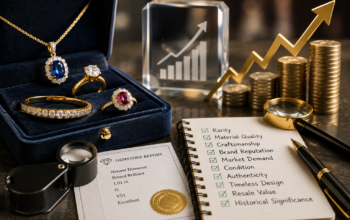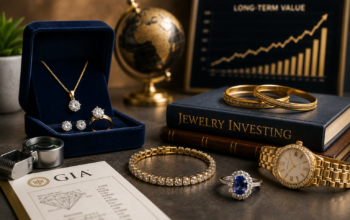
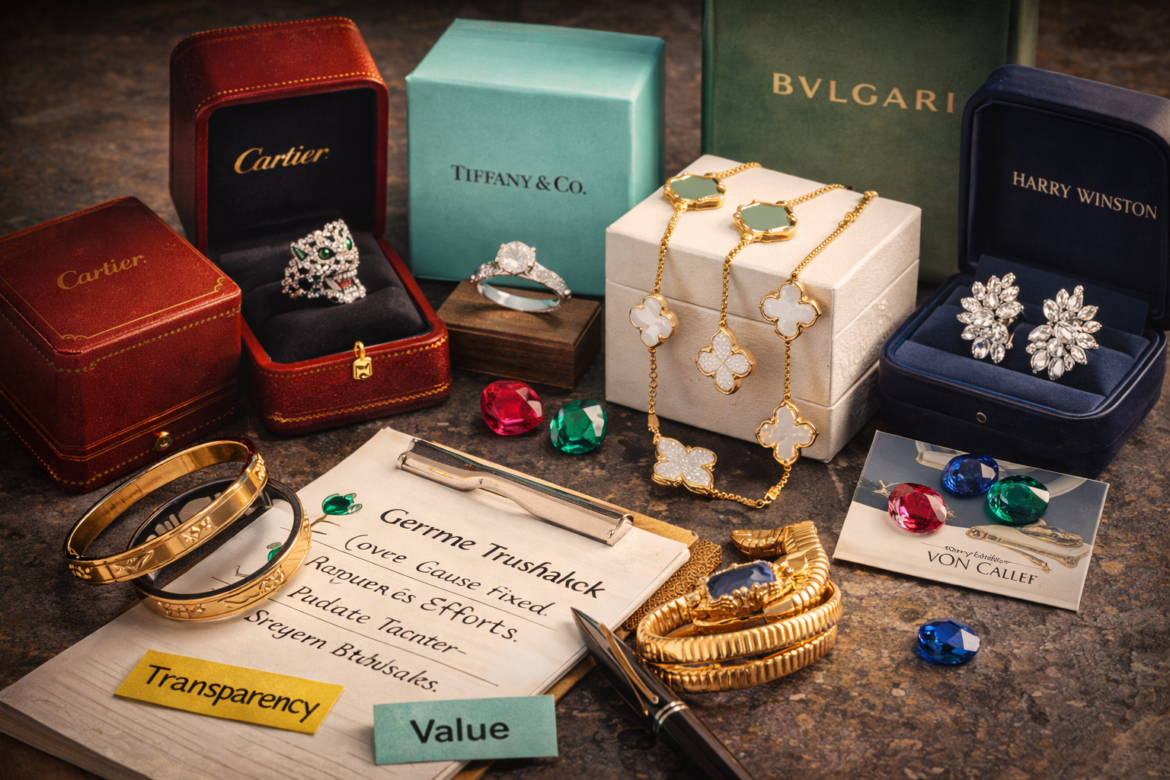
Hey there, jewelry lovers! Ever stared at a sparkling necklace and wondered, “Could this actually make me money one day?” You’re not alone. While most of us buy jewelry to feel fabulous, a savvy few treat it like a mini investment portfolio. The big question: Are there specific jewelry brands or designers known for holding or even boosting their value over time? Spoiler alert: Yes! But it’s not like stocks—jewelry investing mixes beauty, rarity, and smart choices.
In this post, we’ll dive into the shiny world of investment-grade jewelry. We’ll spotlight top brands and designers that collectors chase, explain why they appreciate, and share tips to help you spot winners. Whether you’re dreaming of a heirloom piece or a side hustle that sparkles, let’s uncover the gems worth your bucks. Ready to get your bling on wisely?
Why Jewelry Can Be a Smart Investment
Picture this: You buy a timeless ring today, wear it for years, then pass it down or sell it for more than you paid. Sounds dreamy, right? Jewelry isn’t just for special occasions—certain pieces can rival art or wine as alternative investments. But why does it work?
First off, rarity rules. Limited-edition designs or pieces with scarce materials like high-quality diamonds or rare colored gems skyrocket in demand. Think of it like vintage sneakers: The fewer out there, the hotter they get.
Second, provenance matters. Jewelry from famous designers carries a story. Auction houses like Sotheby’s or Christie’s often see bids soar for pieces with history—think royal connections or celebrity ownership.
Third, material quality counts big time. We’re talking top-tier gold (18k or higher), flawless diamonds graded by the GIA (Gemological Institute of America), and ethical sourcing that appeals to modern buyers.
Unlike volatile stocks, jewelry holds intrinsic value. Gold prices fluctuate, but a well-crafted piece often weathers economic storms better. Data from Knight Frank’s Luxury Investment Index shows fine jewelry returning about 7-10% annually over the past decade—beating inflation and sometimes bonds. Of course, it’s not guaranteed; trends shift, and liquidity (selling quickly) can take time via auctions or dealers.
The key? Focus on “blue-chip” brands—those with loyal followings and track records. Not costume jewelry or trendy fads; we’re eyeing pieces that age like fine wine. Let’s meet the stars.
Top Jewelry Brands That Pack Investment Punch
If you’re hunting brands synonymous with “investment value,” start here. These heavy-hitters have histories of appreciating at resale, backed by auction results and collector demand. We’ll break them down with real talk on why they shine.
Cartier: The King of Timeless Luxury
Cartier? Oh honey, where do we start? Founded in 1847, this French icon has dressed royalty, celebs, and tycoons. Their pieces scream “eternal elegance,” making them resale goldmines.
Take the Panther collection. Those sleek panther motifs, inspired by the Duke of Windsor’s wife, fetch premiums. A 1980s Panthère de Cartier necklace sold for $200,000 at Christie’s in 2023—double its estimate. Why? Iconic design plus platinum and diamonds that hold value.
Or the Love Bracelet. Launched in 1970 with its screw motif (romance locked in!), it’s a cult favorite. Vintage versions in yellow gold with diamonds resell for 20-50% more on platforms like 1stDibs. New ones? They depreciate a bit at first, but rarity editions climb fast.
Trinity ring is another winner—three interlocking bands symbolizing love, fidelity, and friendship. Tri-color gold versions from the 1920s have hit six figures at auction.
Pro tip: Hunt pre-owned from reputable dealers. Cartier’s GIA-certified diamonds and 18k gold ensure quality. Expect 10-30% appreciation over 5-10 years for well-chosen pieces under $10,000.
Tiffany & Co.: Blue Box Magic That Appreciates
Ah, Tiffany—synonymous with that little blue box and “Breakfast at Tiffany’s” glamour. Since 1837, they’ve blended American sparkle with investment smarts.
The Tiffany Setting engagement ring? Revolutionary since 1886, with its six-prong diamond solitaire. A 5-carat version from the 1950s sold for $300,000+ recently. The design’s timelessness plus top diamonds drive value.
Art Deco pieces are hot too. Think geometric bangles or brooches from the 1930s—platinum, onyx, and calibré sapphires. They routinely double in value every decade, per Sotheby’s data.
Modern? HardSquare or T1 collections gain traction among collectors. But vintage reigns: A 1960s pearl necklace hit $150,000 at auction.
Tiffany’s edge? Brand cachet plus ethical sourcing (post-LVMH acquisition). Resale via The RealReal or auctions yields 15-40% returns. Start with under-$5,000 brooches for entry-level investing.
Van Cleef & Arpels: Whimsical Wonders That Wow Investors
Van Cleef & Arpels (since 1906) is fairy-tale jewelry with serious bank. Their Alhambra collection—clover motifs in mother-of-pearl, malachite, or diamonds—is legendary.
A full suite (necklace, bracelet, earrings) from the 1970s? Over $500,000 at Christie’s. The luck-symbol design, plus 18k yellow gold, creates scarcity.
Zip necklace, invented in 1938? A convertible piece that zips into a bracelet. Rare vintage ones fetch $100,000+. Mystery Set technique (invisible diamond setting) adds magic—and value.
Their high jewelry, like Passe-Partout, blends everyday wear with couture flair. Post-2020, demand surged 25% per Worth Avenue Yachts reports.
Van Cleef’s secret sauce? Poetic designs that transcend trends. Expect 20%+ annual growth for authenticated pieces.
Iconic Designers Whose Names Alone Boost Value
Brands are great, but individual designers elevate jewelry to art. These creators’ signatures turn pieces into collector catnip. Here’s who to watch.
Bulgari: Bold Italian Flair with Roman Roots
Bulgari (1884) mixes ancient Rome with modern boldness. Serpenti watches and necklaces—coiling serpents in gold and gems—are investment darlings. A 1970s Serpenti necklace with emeralds sold for $1.2 million.
Monete collection, with ancient coin motifs, appreciates due to historical nods. Vintage? Skyrockets.
Harry Winston: The King of Diamonds
Nicknamed “King of Diamonds,” Winston sourced the world’s best stones. His Winston Cascade necklace (1930s, with Hope Diamond vibes) fetched $27 million. Even smaller pieces, like cluster earrings, hold 2-3x value.
JAR (Joel Arthur Rosenthal): Modern Master of Mystery
Joel Arthur Rosenthal’s JAR pieces are ultra-rare, handcrafted wonders. A single earring can top $100,000. With tiny production (dozens yearly), they outperform most jewelry at auction—up 50% in five years.
Other Stars: Fabergé, Boucheron, and Jean Schlumberger
- Fabergé: Imperial Easter eggs and enameled jewels. A 1910s flower brooch? $250,000+.
- Boucheron: Art Nouveau serpents and feathers. 1900s pieces double every 10 years.
- Jean Schlumberger for Tiffany: Bird-on-rock brooches. A 1960s diamond one hit $2.8 million.
These designers prove: Signature style + scarcity = profit.
Colored Gems and Vintage Vibes: Hidden Investment Gems
Beyond brands, focus on colored gemstones. Sapphires, emeralds, and rubies from top mines (Burma rubies, Kashmir sapphires) outperform diamonds. A 10-carat Colombian emerald ring by Bulgari? Value triples in tough markets.
Vintage jewelry (pre-1980s) is booming. Art Deco, Edwardian eras offer platinum and old-mine diamonds at entry prices ($2,000-$20,000), with 15-25% returns.
Ethical note: Buy conflict-free, GIA-certified. Platforms like Heritage Auctions track prices—use them!
How to Buy Jewelry as an Investment: Your Playbook
Excited? Don’t rush. Here’s a light-hearted guide to avoid bling regrets.
- Research Relentlessly: Check Worthpoint or LiveAuctioneers for past sales. Aim for pieces with provenance papers.
- Buy Quality: 18k gold minimum, VS+ diamonds, vivid colored stones. Skip fashion jewelry.
- Source Smart: Reputable dealers (1stDibs, Doyle Auctions), not pawn shops. Get appraisals yearly.
- Diversify: Mix brands—one Cartier, one vintage Schlumberger. Budget $5k-$50k per piece.
- Store Safely: Insurance, safe deposit box. Wear it—life adds patina value!
- Sell Strategically: Auctions for high-end; private sales for quick cash. Timing: Sell in bull markets.
Risks? Fakes abound—use gemologists. Taxes on gains apply. Patience is key; hold 5+ years.
Sparkle Smart, Invest Happy
So, are there specific jewelry brands or designers known for investment value? Absolutely—Cartier, Tiffany, Van Cleef, Bulgari, Harry Winston, and visionaries like JAR lead the pack. Their mix of history, craftsmanship, and demand makes pieces appreciate like clockwork (or should I say, watch-work?).
Start small: A Love Bracelet or Alhambra necklace could be your gateway. Do your homework, buy what you love, and watch your jewelry portfolio gleam brighter than your future bank statements. Got a piece in mind? Dive into auctions and consult experts—you might just strike gold… literally!